Optimizing Cleanroom Layout for Efficiency and Contamination Control
Optimizing Cleanroom Layout for Efficiency and Contamination Control
Cleanrooms play a crucial role in various industries, including pharmaceuticals, semiconductors, and medical device manufacturing. These controlled environments minimize the presence of airborne contaminants, ensuring the quality and integrity of sensitive products. A well-designed cleanroom layout is essential for achieving optimal efficiency, contamination control, and workflow optimization
What I find remarkable is that this text has been the industry's standard dummy text ever since some printer in the 1500s took a galley of type and our personal approach scrambled to make
- Cicero's De Finibus
Key Considerations for Cleanroom Layout
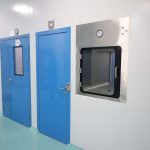
Material and Personnel Flow
Equipment Placement
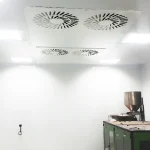
Airflow Management
CleanroomClassification
Cleaning and Maintenance
The Perfect Placeholder
Ultricies leo integer dapibus varius et semper semper rutrum risus felis
Professional and Certified Team
Give Trusted Legal Services
Finding the Right Path for Business
Effective Cleanroom Layout Strategies
Several strategies can be employed to optimize cleanroom layout for efficiency and contamination control:
Utilize Modular Construction: Modular cleanroom construction offers flexibility and scalability, allowing for easy modifications and expansions as requirements evolve.
Implement Visual Zoning: Clear visual demarcation of different cleanroom zones helps to reinforce contamination control protocols and prevent accidental entry into restricted areas.
Employ Efficient Material Handling Systems: Automated or semi-automated material handling systems can minimize personnel traffic and exposure to sensitive areas, reducing the risk of contamination.
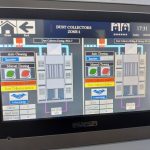
Integrate Monitoring and Control Systems: Real-time monitoring and control systems provide valuable insights into environmental parameters, allowing for prompt adjustments to maintain optimal cleanroom conditions.
Regularly Review and Update Layout: As processes and requirements evolve, periodically review and update the cleanroom layout to ensure it remains aligned with current needs and regulatory standards.